


Dr. Saurabh Mukewar
He is a consultant gastroenterologist at Midas Hospital and has been involved in the endoscopy camp initiative aimed at improving access to gastrointestinal care in rural communities in India.
September 2026
Focus Area 1: Healthcare Access and Outcomes
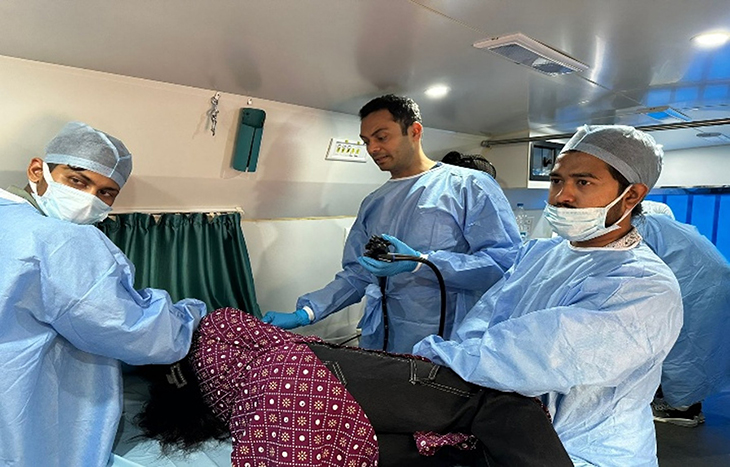
Even as India, with the world's largest population, undergoes rapid economic development, there remain significant disparities in access to healthcare depending on the region. In rural and other areas, there is a severe lack of infrastructure for cancer screening and treatment. Furthermore, a lack of awareness about endoscopic screenings themselves, as well as the financial burdens, such as the need to travel long distances for diagnoses, are proving additional barriers to accessing healthcare. Considering these circumstances, Olympus is partnering with medical institutions and healthcare professionals to implement an outreach endoscopic screening program that will deliver screening opportunities to local communities. Under this program, Olympus provides endoscopic screening equipment, while the medical institutions provide the vehicles to carry the equipment, communications devices, and the staff who will be involved in screenings, to enable endoscopic screenings to be conducted in areas faced with issues such as limited access to healthcare. We conduct awareness campaigns using pamphlets and other materials through local medical institutions and NGOs, while also performing endoscopic screenings for eligible individuals.
For the current article, we spoke with Dr. Saurabh Mukewar of Midas Hospital, which is one of our partner medical institutions, about the healthcare challenges he has observed on the ground, as well as the changes now being realized through the outreach endoscopic screening program.
Refer here for an interview with the Olympus India General Manager, Medical Business on the outreach screening program (published April 2024):
Contributing to Improvements in Healthcare Standards in India by Supporting Outreach Gastrointestinal Endoscopic Screenings
He is a consultant gastroenterologist at Midas Hospital and has been involved in the endoscopy camp initiative aimed at improving access to gastrointestinal care in rural communities in India.
Answer-
Midas Hospital was motivated to participate in this initiative with the aim of improving access to specialized gastrointestinal healthcare services in rural and underserved areas, where advanced diagnostic facilities like endoscopy are often unavailable or difficult to access. Many patients in these regions ignore or delay treatment for gastrointestinal symptoms due to lack of awareness, financial limitations, and the need to travel long distances for diagnosis.
Through the rural endoscopy camps, our objective was to provide early screening, timely diagnosis, and medical guidance for patients suffering from digestive disorders. The initiative also focused on creating awareness about gastrointestinal diseases and the importance of preventive healthcare. By conducting these camps, Midas Hospital aimed to bridge the healthcare gap and ensure that quality endoscopy services reach patients who otherwise have limited access to such specialized care.
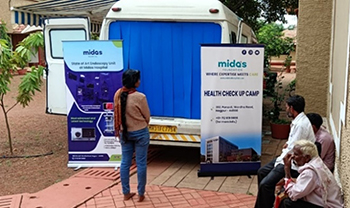
Endoscopy van stationed for screening
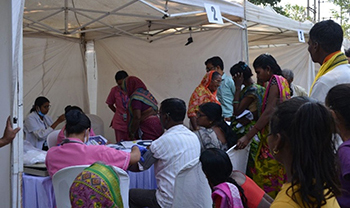
Patient are screened and counselled
Answer-
Over the past three years, the endoscopy camp initiative has brought significant improvements in patient access to specialized gastrointestinal healthcare services in rural and underserved areas. Many patients who previously had limited or no access to diagnostic facilities were able to undergo timely endoscopic screening and consultation closer to their communities.
The initiative has helped in the early detection and diagnosis of gastrointestinal conditions such as ulcers, gastritis, gastrointestinal bleeding, liver-related complications, and suspected malignancies. Early diagnosis has enabled patients to receive timely treatment and referrals, reducing delays in medical intervention and improving overall treatment outcomes.
In addition, the camps have increased health awareness among rural populations regarding digestive health and the importance of early medical evaluation. There has also been a noticeable rise in follow-up consultations and continuity of care, as patients have become more proactive about seeking treatment after participating in the camps. Overall, the initiative has contributed to better healthcare accessibility, improved patient confidence, and enhanced quality of care in underserved communities.
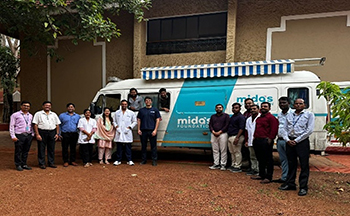
MIDAS team for endoscopy van camp
Answer-
The endoscopy camp initiative has positively influenced local healthcare capacity by strengthening collaboration between Midas Hospital and healthcare professionals in rural areas. Through these camps, local doctors, nurses, and healthcare workers were exposed to advanced gastrointestinal screening procedures and patient management practices, which helped improve their clinical understanding and awareness regarding digestive diseases.
The initiative also encouraged better coordination and referral systems between rural healthcare centres and specialized hospitals, enabling patients requiring advanced treatment to receive timely care. Local healthcare staff gained practical exposure in patient counselling, screening processes, infection control practices, and post-procedure care during the camps.
Additionally, the camps contributed to system improvements by promoting preventive healthcare practices and increasing awareness about the importance of early diagnosis. This collaborative approach has helped build trust within the community and strengthened the overall healthcare network in underserved regions.
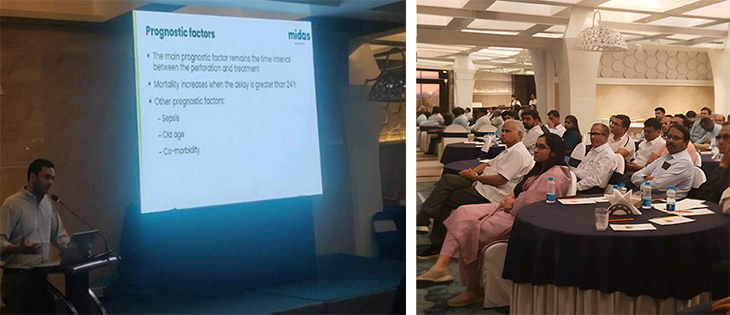
Scene from a lecture for local healthcare professionals on endoscopic screenings given by Dr. Saurabh and the Midas Hospital team
Answer-
One of the most memorable cases during the endoscopy camp initiative involved a middle-aged patient from a remote rural area who had been suffering from persistent abdominal pain, difficulty swallowing, and weight loss for several months. Due to lack of awareness and limited access to specialized healthcare facilities, the patient had not undergone any proper medical evaluation earlier.
During the endoscopy camp conducted by Midas Hospital, the patient underwent screening and was diagnosed with an esophageal cancer at an early stage. The timely diagnosis allowed immediate referral and further treatment planning, which significantly improved the patient’s chances of recovery.
This case highlighted the importance of bringing advanced diagnostic services like endoscopy directly to underserved communities. It also created greater awareness among local residents about the benefits of early screening and encouraged many other patients to seek medical consultation for symptoms they had previously ignored. The initiative not only impacted individual patients but also strengthened community trust in preventive and specialized healthcare services.
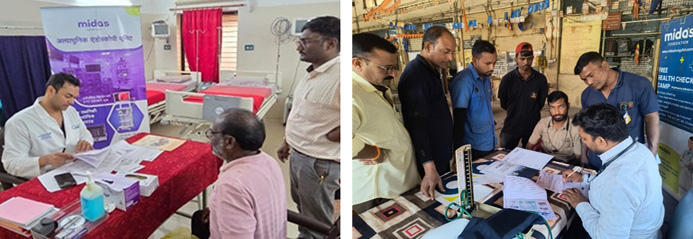
Endoscopy camp consultation
Answer-
Midas Hospital envisions expanding the rural endoscopy camp initiative to reach more underserved and remote communities where access to specialized gastrointestinal healthcare services remains limited. In the future, we aim to conduct camps on a larger scale with regular follow-up programs, increased awareness activities, and improved screening facilities to ensure early detection and timely treatment of gastrointestinal diseases.
To further expand the impact of this initiative, greater collaboration with local healthcare authorities, NGOs, and community health workers will be essential. Additional support in terms of medical infrastructure, trained manpower, advanced diagnostic equipment, and financial assistance for economically weaker patients will help make these services more accessible and sustainable.
We also expect the initiative to continue promoting preventive healthcare awareness and encouraging patients to seek early medical consultation rather than delaying treatment. With consistent efforts and stronger healthcare partnerships, the rural endoscopy camp initiative can significantly improve healthcare outcomes and quality of life in underserved communities.
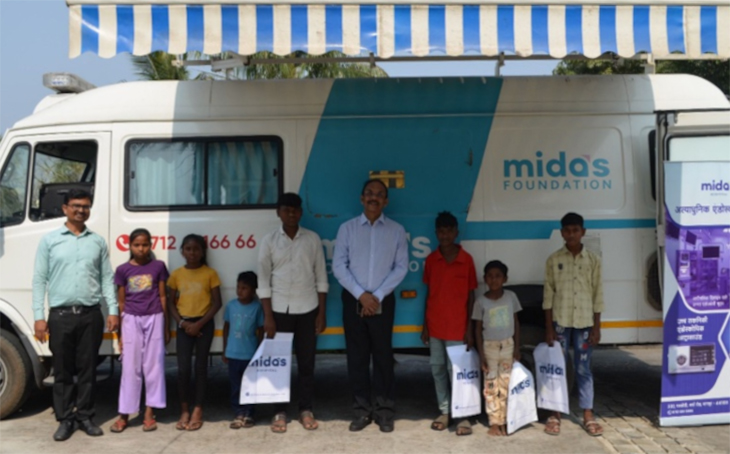
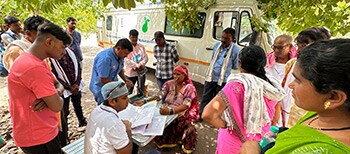
Patients and their families during camp
The outreach endoscopic screening program not only provides access to screening services but is also helping to build trust in preventive healthcare and specialized medical services among residents of local communities. We have achieved the following outcomes through the activities we have undertaken over the past three years.
Going forward, Olympus will continue to collaborate with partners in local communities to raise awareness among both residents of local communities and healthcare professionals of the importance of endoscopic screenings. At the same time, we will advance initiatives to contribute to the realization of healthcare systems that ensure people can get the screenings that they need, when they need them, even in areas where healthcare access is limited.
 Building a Resilient Supply Chain through Data Utilization and Strengthened Supplier Partnerships
Focus Area 3: Responsible Supply Chain
March 2025
 Contributing to Improvements in Healthcare Standards in India by Supporting Outreach Gastrointestinal Endoscopic Screenings
Focus Area 1: Healthcare Access and Outcomes
April 2024
 Aizu Olympus Implements Long-Term Practical Measures to Reduce Greenhouse Gas Emissions
Focus Area 5: Carbon Neutral Society and Circular Economy
March 2024