“Wish I Had Known Sooner”: A Colorectal Cancer Survivor’s Regret and Hope

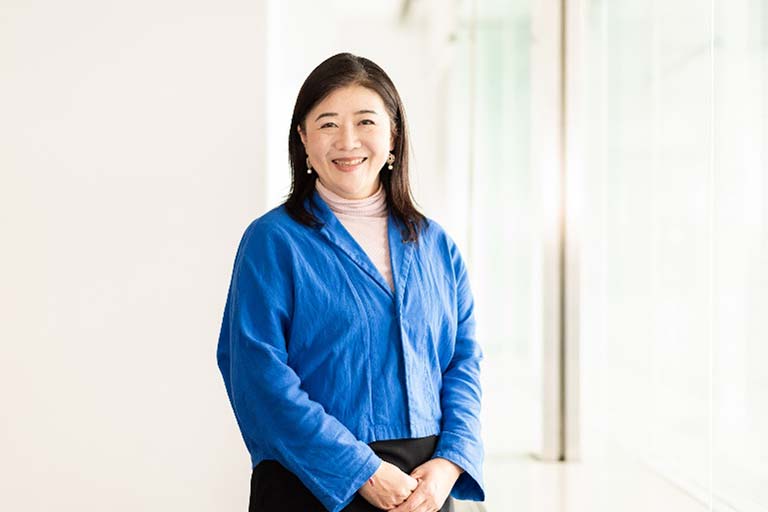
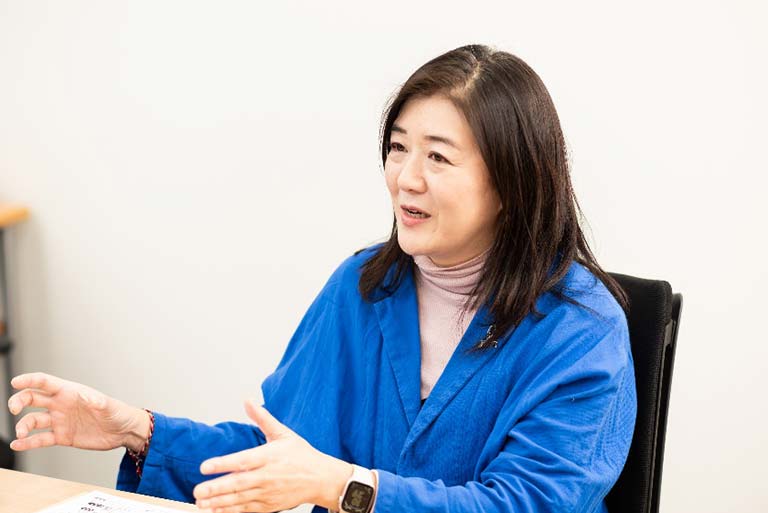
“I was healthy—how could I possibly have cancer? I couldn’t believe it.” These are the words of Kaori Sasaki, the representative of “Peer Ring Bleu,” an online community for women facing digestive cancers such as colorectal cancer. She also shares her own cancer journey on platforms like YouTube. “I got cancer because I didn’t have a friend who would nag me to get screened.” We asked Kaori about the realities of her cancer journey and her hopes for early detection.

A 3-centimeter Tumor Found with Zero Symptoms

Kaori was first alerted to something unusual in the spring of 2018. A routine fecal occult blood test during her company’s annual medical checkup indicated the need for further examination.

“At that time, I was 46, and cancer wasn’t even on my radar. I felt perfectly healthy.”

She quickly scheduled an endoscopy, and during the procedure, the doctor discovered a tumor about 3 centimeters in her lower rectum. “We can’t remove this here,” she overheard.

A biopsy confirmed that it was malignant. The diagnosis came as a shock to her as she had always believed she was in good health.

Kaori had never heard real accounts from people who had undergone colonoscopies, nor did she even know what an endoscope looked like.

“If only I had someone insisting that I get screened, I probably would have gone. I could have found the cancer much earlier,” she says with regret.
The Reality That “Early Stage Doesn’t Mean Easy”


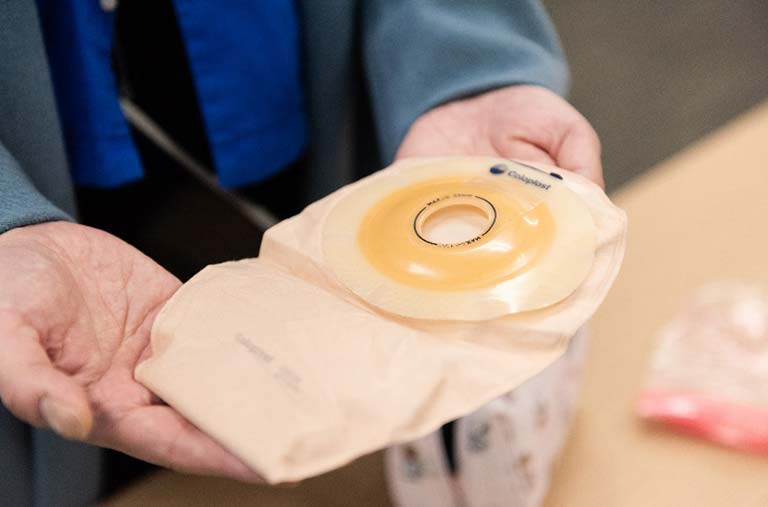
The stoma pouch that Kaori always carries with her.

She was diagnosed with Stage 1 rectal cancer and underwent surgery that summer to remove the tumor. She entered surgery with only one thought: “I want this out of my body as soon as possible.” But the true hardship came afterward.

“Even in early-stage rectal cancer, surgery can cause bowel dysfunction as a long-term side effect. Because the rectum stores stool, removing part of it can make it difficult to hold bowel movements or cause frequent urges to go to the restroom.”

Worries about accidents happening made her afraid to go out, and she suffered quietly.
This condition eventually led her to choose a permanent stoma (a surgically created artificial anus), a major decision that significantly changed her life.

“Even in early stages, removing the tumor can be extremely difficult—that’s colorectal cancer. I don’t want anyone else to go through this.”

Six months after her surgery, tests revealed that the cancer had metastasized her lungs, upgrading her diagnosis to Stage 4.

“Although I still felt physically healthy, learning that the cancer might be spreading through my bloodstream made me confront the reality of death. I also had to undergo chemotherapy and realizing that surgery alone wasn’t the end of my treatment came as a huge shock.”

Finding Companions Through a Screen


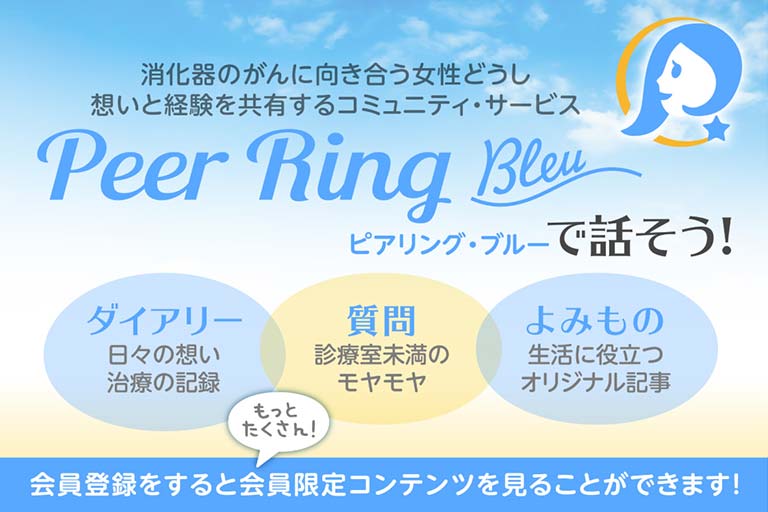
The website of Peer Ring Bleu, open in new window operated by Kaori. *in Japanese

At her lowest point, believing she might not survive, YouTube became her emotional support.

“I saw a video of a woman in her twenties with Stage 4 cervical cancer who was still cheerful and energetic. It made me think, ‘Maybe I’ll be okay too.’ That inspired me to start sharing my journey on YouTube.”

Under the name “Calorina,” she began posting videos and received overwhelming responses. “I struggle with bowel issues too,” “It helps knowing someone understands”—her comment section filled with voices of patients who had previously suffered alone.

“Despite the high number of colorectal cancer patients, there were very few communities where people could talk openly. Bowel-related issues are delicate—they’re hard to discuss even with family. That’s why I realized how essential it was to have a space where people with similar struggles could connect.”

This led her to create “Peer Ring Blue,” an online peer support community for women with digestive cancers, in April 2023. Three years later, more than 1,300 members now share information and encourage one another.

“When I hear people say they made friends and can travel again, I feel truly glad I started this.”

Encouraging Endoscopic Screening as a “Passionate Friend”

Kaori continues balancing regular checkups with work. “Cancer brought me new opportunities, but the time I lost was immense,” she reflects.

That’s why the message she most wants to convey is the importance of screening.

“Today’s endoscopy technology is incredible—almost painless, and the view is unbelievably clear. I honestly wish I had known that earlier.”

She now aims to encourage 1,000 people without cancer to undergo colonoscopy.

“I want to be that passionate friend who pushes others to get screened. If it helps detect benign polyps or cancer at an early stage, they won’t have to suffer the way I did. Even medical costs can be reduced.”

“Health comes first.” A common phrase, but her experiences give it real weight.

“Don’t carry your worries alone—reach out. please consider undergoing an endoscopic examination.”

That message reflects her earnest wish to help protect our future.

*This story is based on an interview conducted in January 2026. The conditions, feelings, and treatment of each patient may vary from person to person. Please consult your doctor for your diagnosis and treatment.